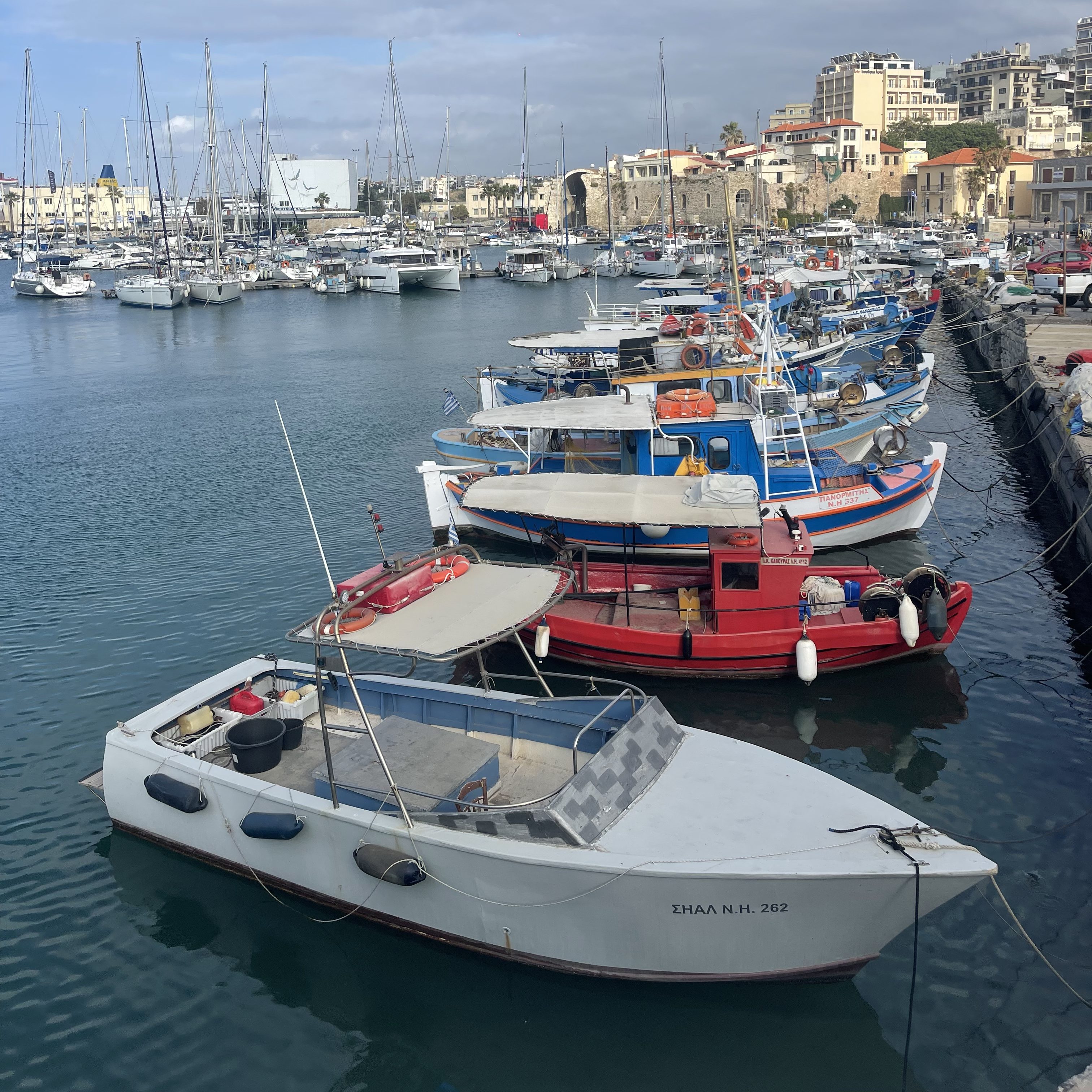
Greece is one of the most popular destinations in Europe for tourists during the summer. Beyond enjoying the crystal-clear beaches and the iconic blue and white buildings of Santorini, there is a wealth of history to explore.
Often referred to as the oldest city in Europe, Heraklion is full of history and culture dating back to the ancient Minoan civilization. As the capital of the island of Crete, Heraklion is a true treasure trove of archaeological discoveries and hidden history.
A harbor city in the heart of the Mediterranean, Heraklion combines the natural beauty of its stunning beaches with the allure of historical monuments, such as the famous Palace of Knossos and the impressive Venetian walls.
August 25 Street
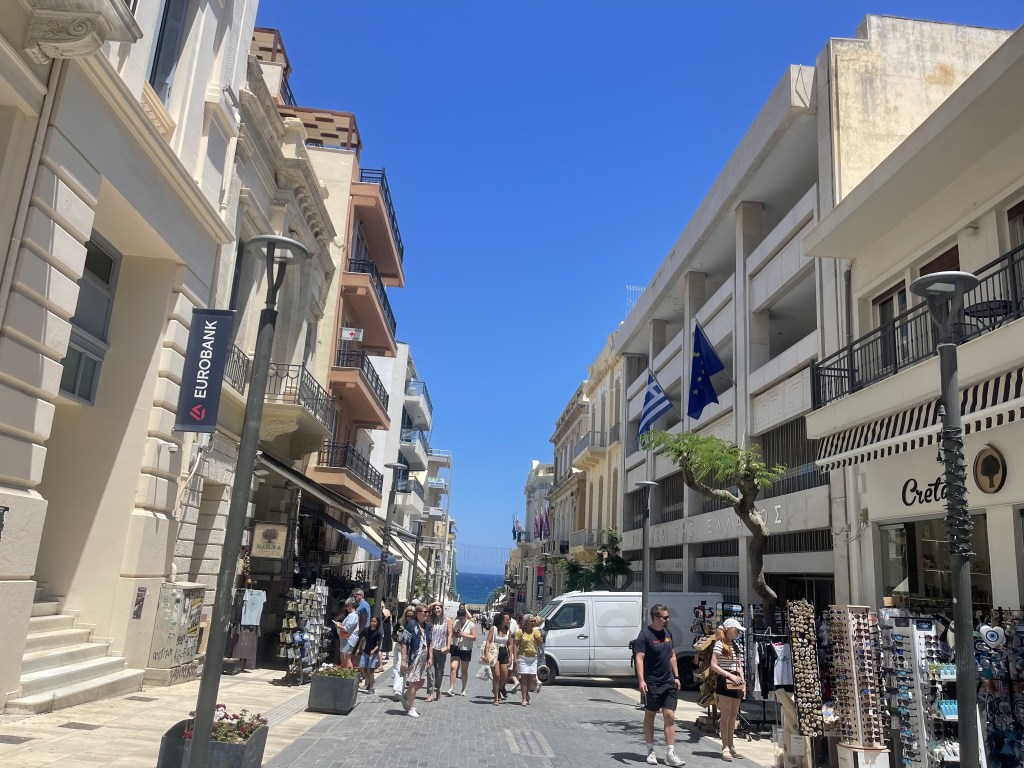
The main shopping street of Heraklion connects the Venetian Harbor with the city’s most famous fountain. Along this beautiful street, you can find neoclassical buildings, tourism agencies, souvenir shops, boutiques, and restaurants. This is not only a major attraction for tourists today but also held great significance a century ago.
The name “August 25” is not by accident. On this date, in 1897, Heraklion experienced a tragic event known as the Heraklion Massacre. This incident saw violent clashes between the local Christian population and the occupying Ottoman forces.
The conflict resulted in the deaths of several hundred people, including British soldiers who were part of an international force overseeing the administration of the island in the aftermath of the Greco-Turkish War of 1897.
This massacre occurred within the broader struggle for Cretan independence from Ottoman rule, a struggle that eventually culminated in Crete’s union with Greece in 1913.
Touring along the street, with its stunning sea views, it is nearly impossible to imagine the deadly battles that once took place there. Although that is not the most pleasant thing to think about while buying a gelato or picking up a souvenir, acknowledging the history around you is important.
Ironically, despite its beauty and vibrance nowadays, the street was once called Plani’s Street (Delusion Street) because the beautiful neoclassical buildings gave visitors a misleading impression of Heraklion, which, apart from this street, was largely filled with impoverished neighborhoods.
August 25 Street is a fantastic destination for history enthusiasts, featuring landmarks such as the Morosini Fountain, the Basilica of Saint Mark and down by the harbor, another famous site: the Koules Fortress.
Koules Fortress
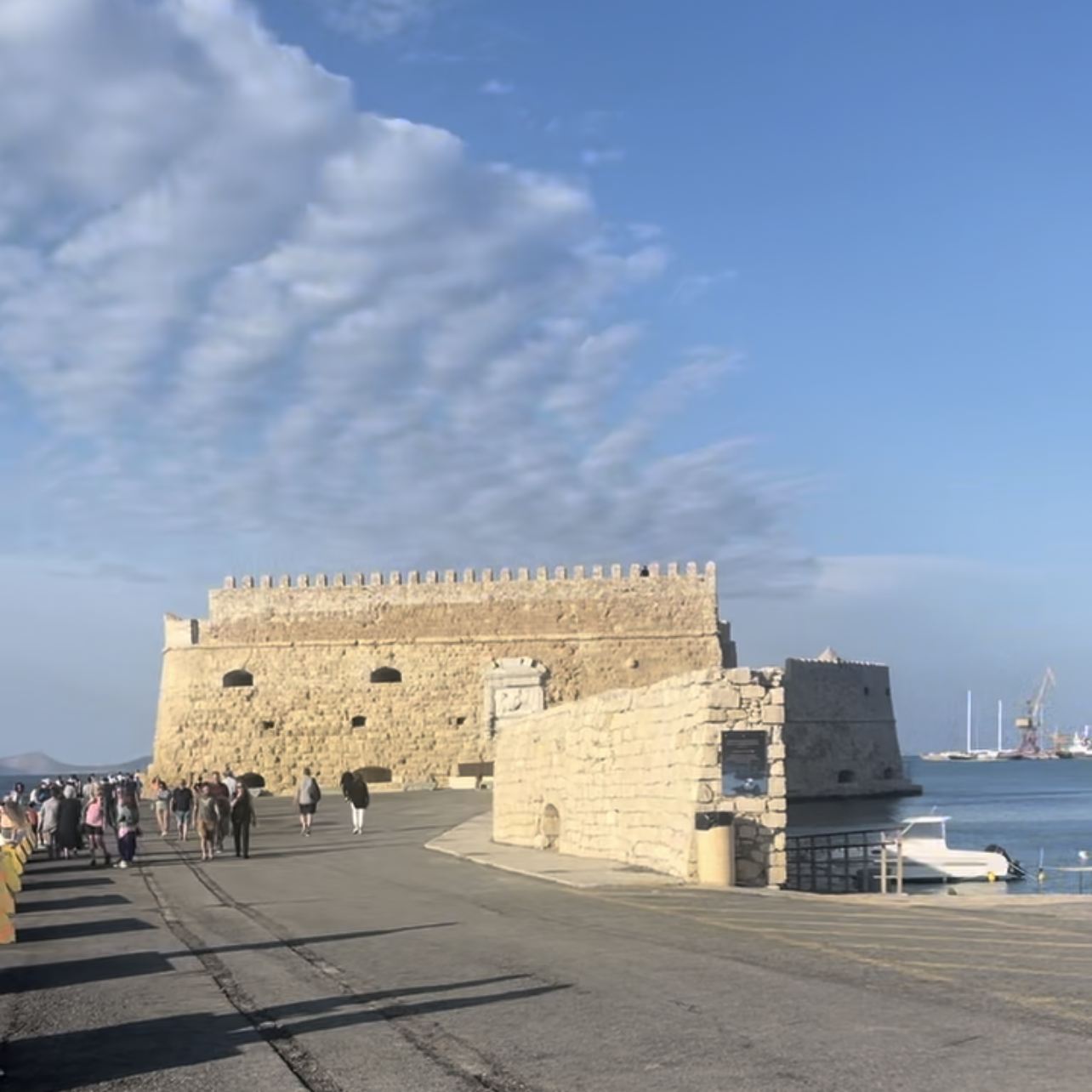
As we can see, Crete suffered frequent attacks throughout its history. The island faced enemies approaching from the sea regularly, so it needed strong defenses. The previous name of the fortress, “Rocca a mare,” translates to “rock by the sea” in Italian, while its current name, “Koules”, means fortress in Turkish.
This distinguished landmark of Heraklion is the third iteration of a fort that has been rebuilt twice to better accommodate advancements in warfare and to repair damage caused by earthquakes.
Its construction began in 1525, lasting 15 years and following the Venetian style of architecture. Its outer walls are astonishingly strong, measuring nearly 9 meters in thickness and three gates existed.
Construction began in 1525 and spanned 15 years, adhering to the Venetian architectural style. The fortress has robust outer walls, nearly 9 meters thick, and features three gates.
Each of them is decorated with original relief sculptures of the winged Lion of Saint Mark, the emblem of Venice’s patron saint. While these sculptures still exist today, they have been partially destroyed and weathered by the sea winds.
During Ottoman rule, the fortress served as a prison for Cretans who revolted against the regime. Prison cells were housed on the ground floor, among other rooms to store ammunition and victuals, totaling 26 apartments.
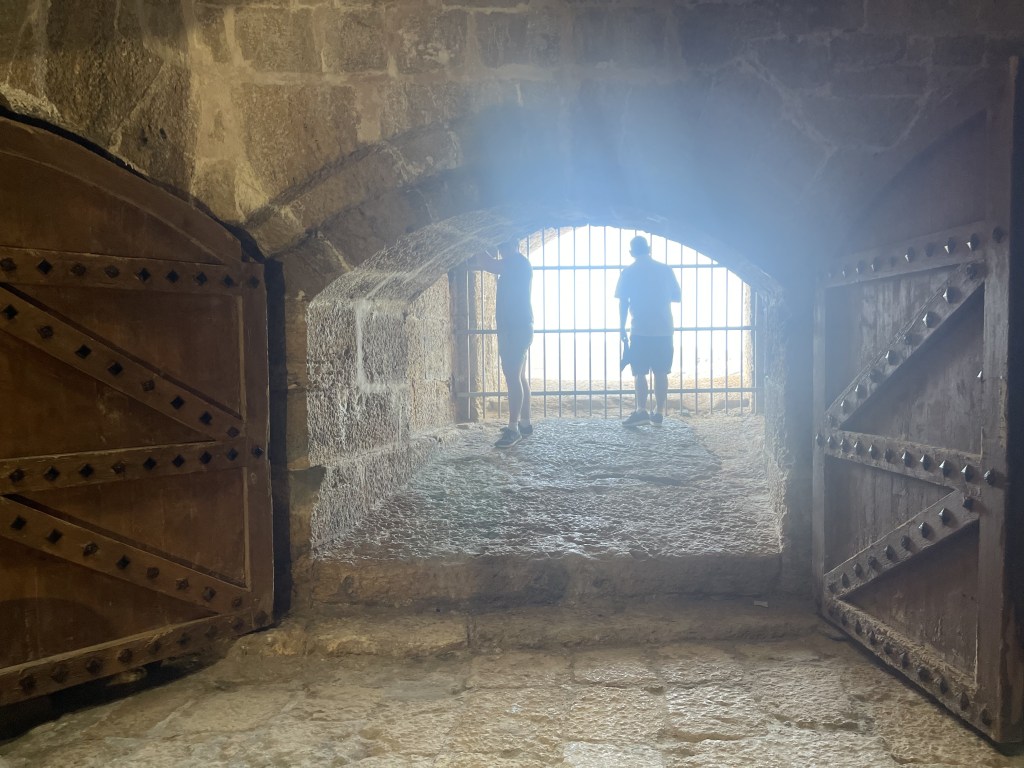
The upper floor houses a spacious courtyard surrounded by crenellations, which once housed soldiers’ barracks, officers’ quarters, a bakery, a mill, and a small church. Once emerging from the dark first floor, visitors are greeted with an astonishing view as well.

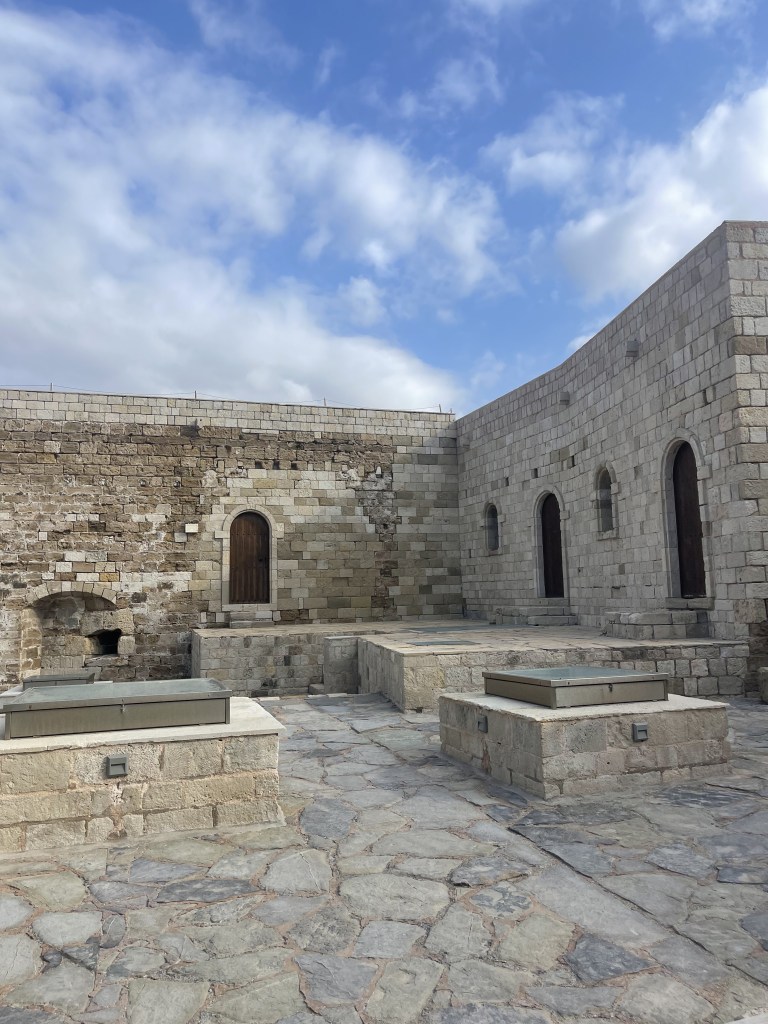
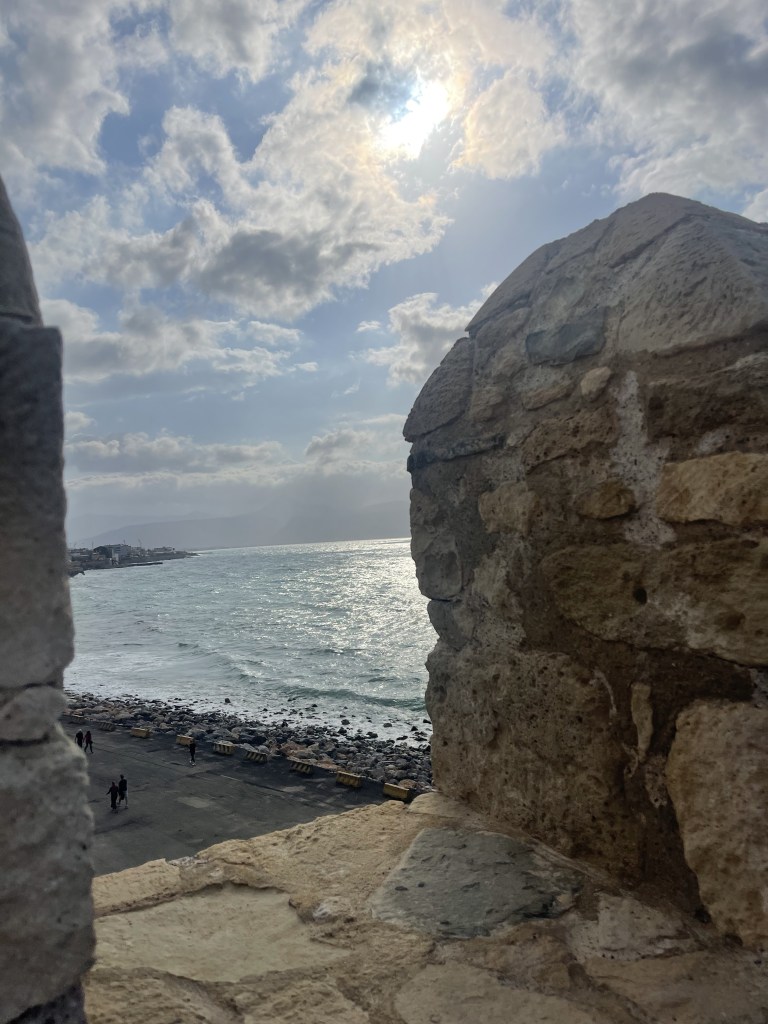
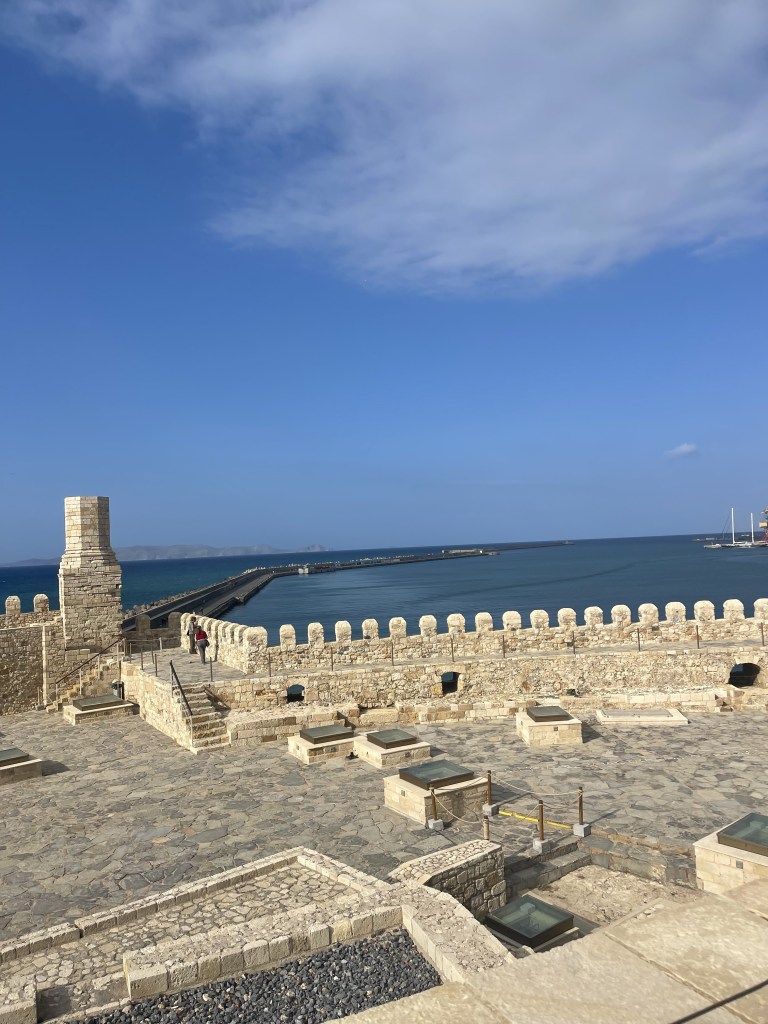
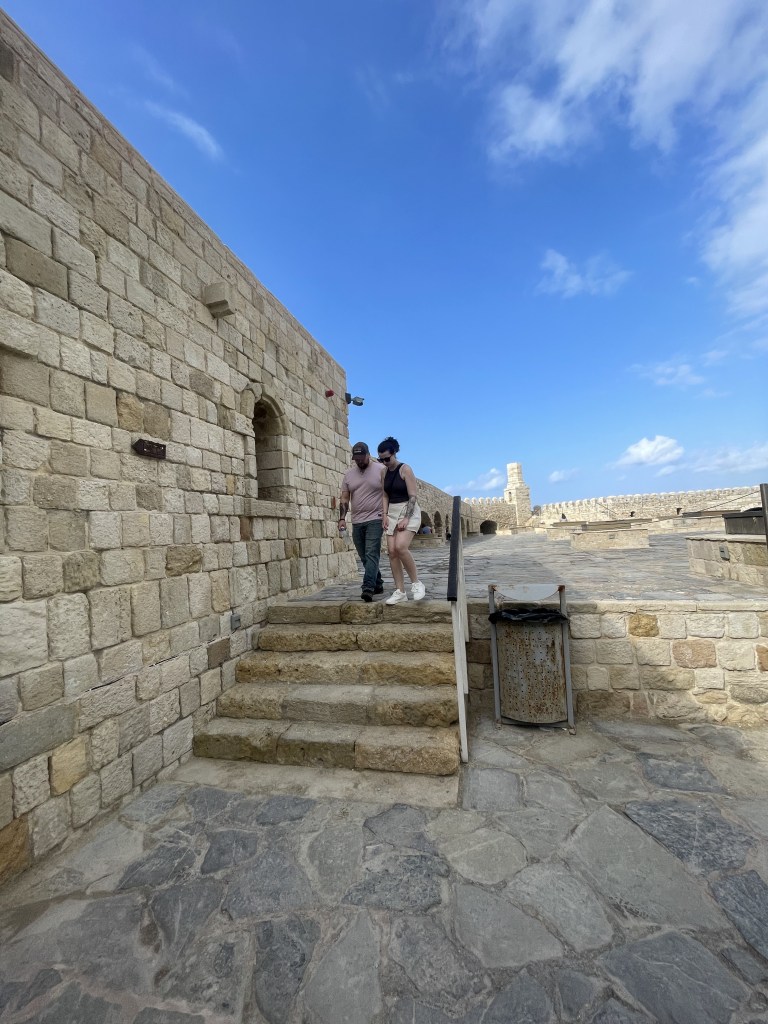
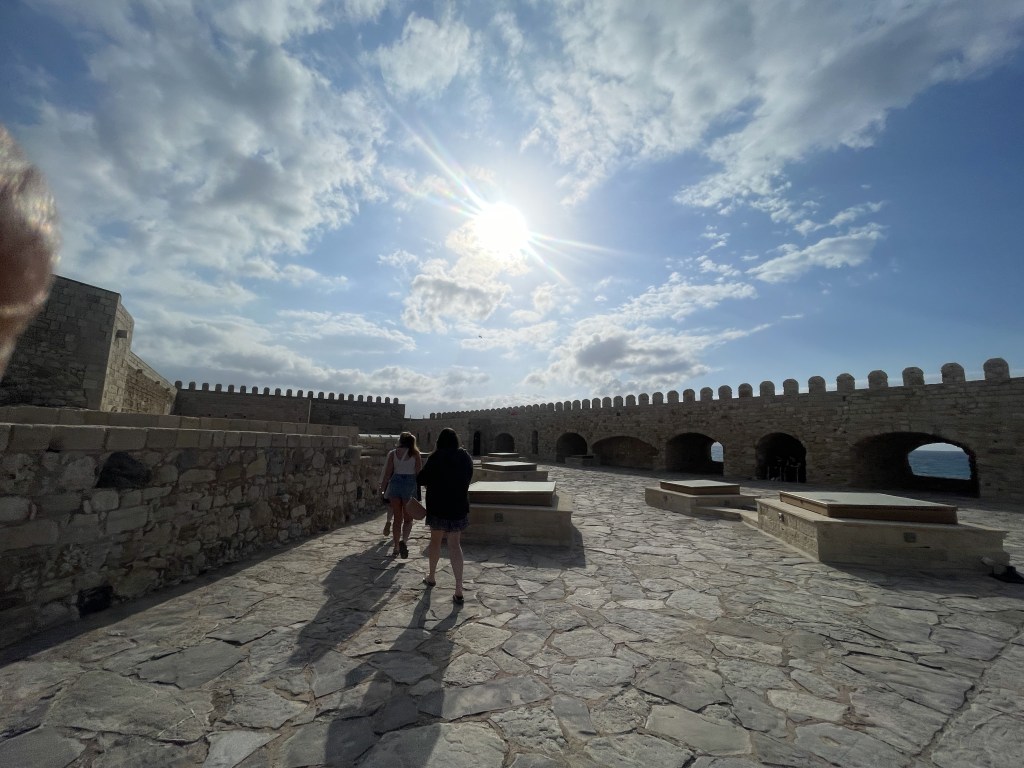
Exploring the first floor is fascinating, with its prison cells and rudimentary artifacts, but the upper floor astonishes visitors differently with its breathtaking views of the sea and city.
Thousands of tourists from all over the world visit the fortress every year. Its well-preserved condition does a good job of providing picturesque spots and also a great deal of history.
Morosini Fountain
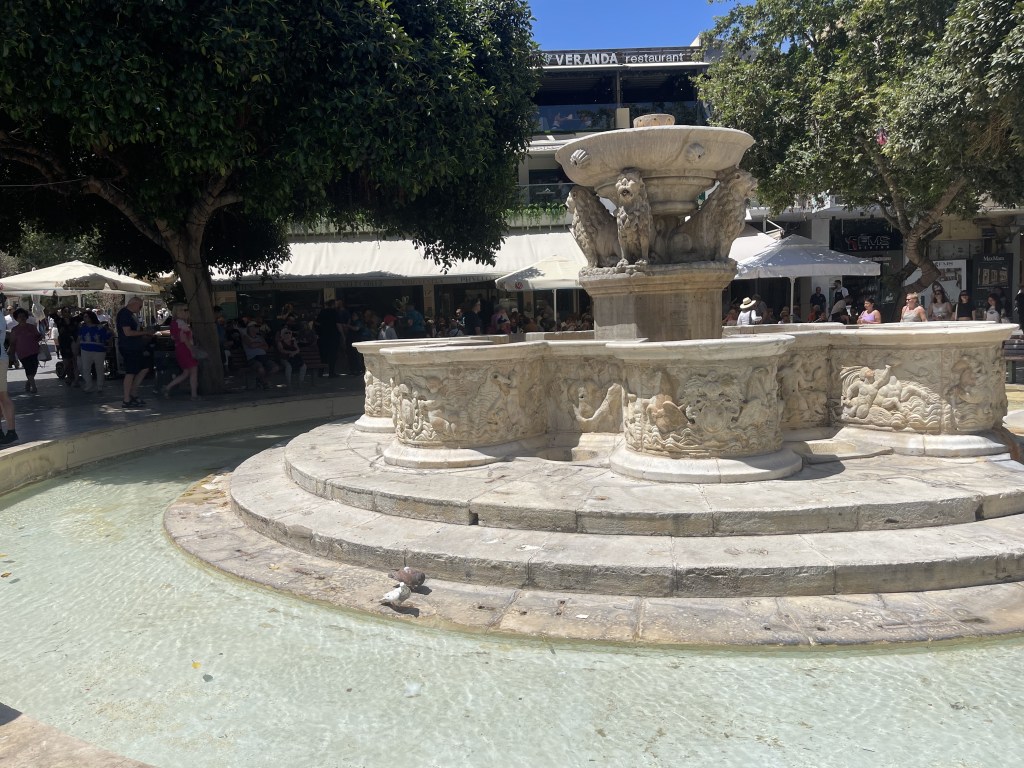
The Lions Square serves as a gathering place for both locals and visitors in Heraklion. Officially named Eleftherios Venizelos Square, it honors the former prime minister.
Adorned with bustling cafes and restaurants, the square has a rich history. During Turkish domination, it hosted the largest slave market in the eastern Mediterranean. Later, under Venetian rule (13th-17th centuries), it served as the residence of the Venetian Duke of Crete.
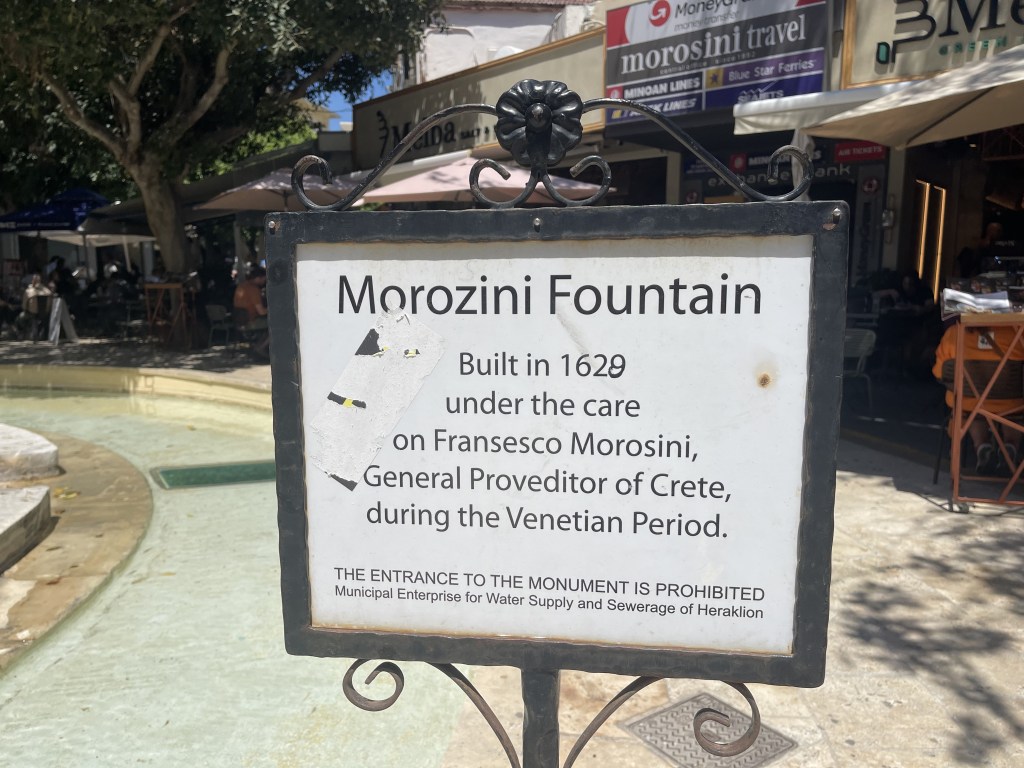
The stone fountain crafted by Fransesco Morosini was built during this period to supply fresh drinking water through a 9-mile aqueduct, also designed and supervised by Morosini.
Today, this decorative landmark sits in a bustling area filled with restaurants, stores, tourists taking pictures, and street artists. However, amidst the lively scene, a couple found shade and a bench to rest while admiring the fountain.
Mr. and Mrs. Rossi had just eaten lunch close by. The Tuscan couple was commemorating 30 years of marriage and this was their third destination out of five around Greece.
“We are old. Whenever we get the chance, we sit down,” Mr. Rossi said with a humorous tone. “I cannot complain sitting in front of this beautiful fountain after a good Greek lunch.”
The couple said they were enjoying their “31th honeymoon.”
“Every year, we make plans to celebrate ourselves. Even small trips, close to Tuscany,” Mrs. Rossi explained. “But, for our 30th anniversary, we were gifted with this big trip by our daughters.”
They have been to Greece before, but never to Crete. According to the couple, they could not be happier.
“The tranquility of this island is all we needed,” said Mrs. Rossi.
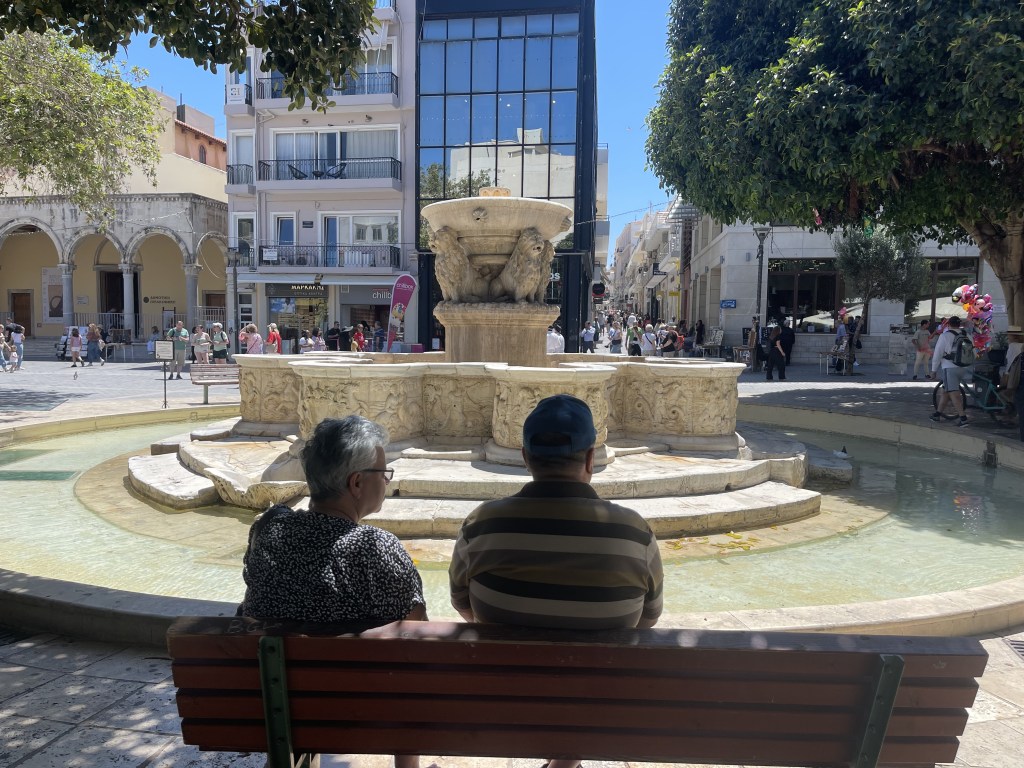
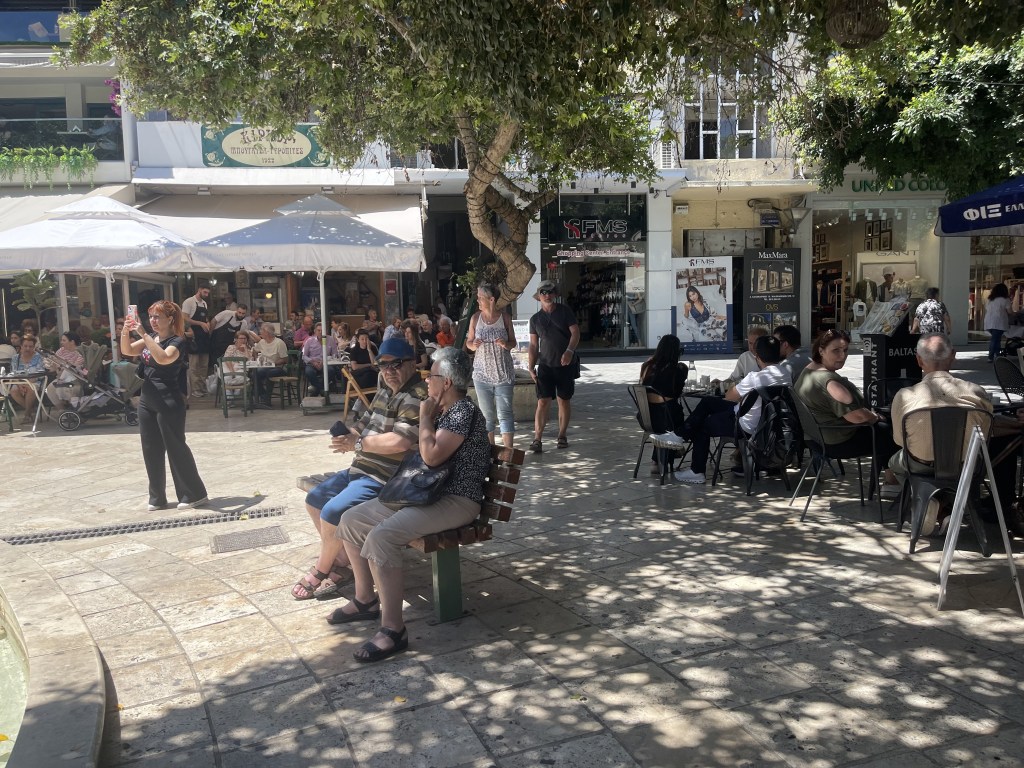
Maria and Antonio Rossi enjoy the shade on a sunny day in Heraklion, after exploring the city in the morning and having a Greek lunch.
Saint Mark’s Basilica
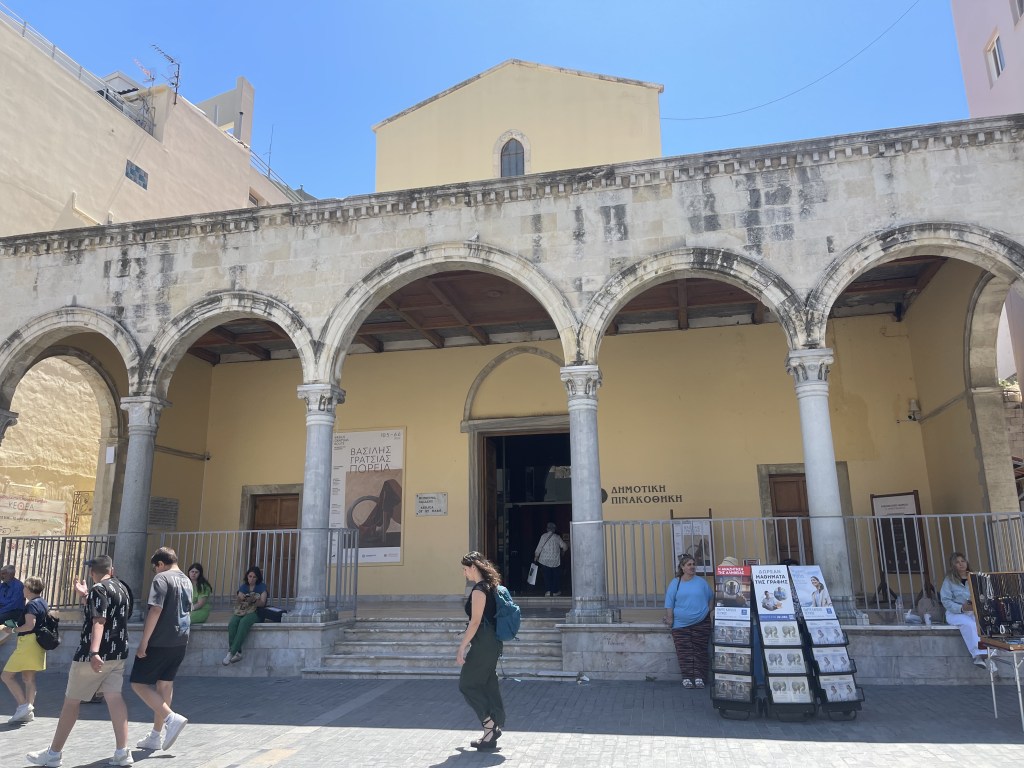
On the exact opposite side of the Morosini Fountain is The Basilica of Saint Mark, in Eleftheriou Venizelou Square. It is easy to notice this neoclassical building with its beautiful arcs as touring along the main street. Previously a basilica dedicated to St. Mark, patron of Venice, today it houses the Municipal Art Gallery and is open to the public almost every day.
Built in the 13th century, this basilica represented the consolidation of the Venetian invasion during the first years of Venetian rule. Its construction started in 1239 and went through several renovations until 1956.
It was also a symbol of gratitude and love for their homeland. This site hosted the official ceremonies of the Venetian administration and served as the burial place for Venetian nobles.
During the Turkish period, the basilica was turned into a mosque and many frescoes and Christian tombs were unfortunately destroyed. The Ottomans also destroyed the bell tower and erected a minaret in its place.
Later, the local population demolished the minaret after the liberation of Crete, as they sought to remove the unwelcome symbols and reminders of Turkish occupation.
Currently, it hosts art exhibitions and cultural events such as classical music concerts.
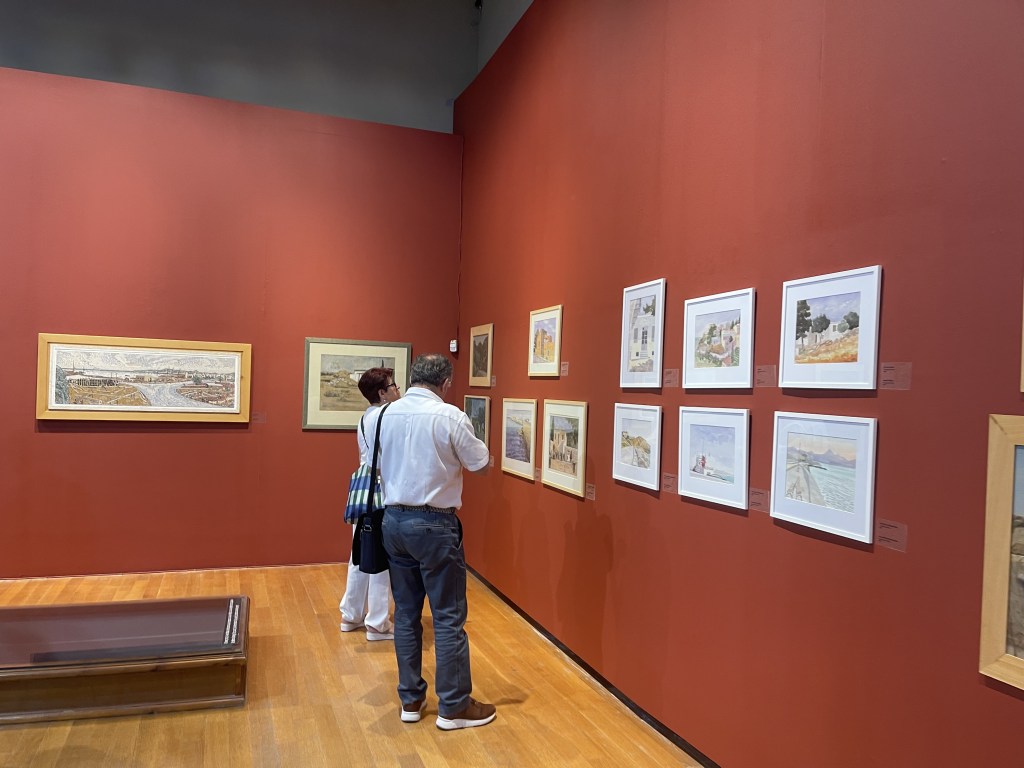
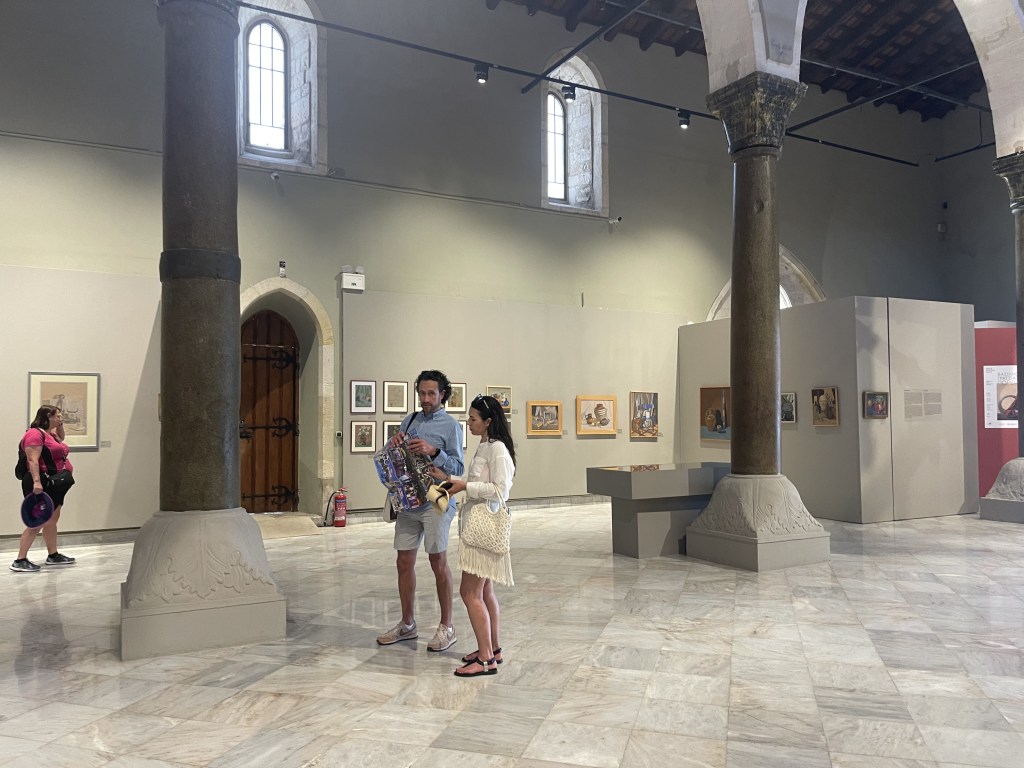

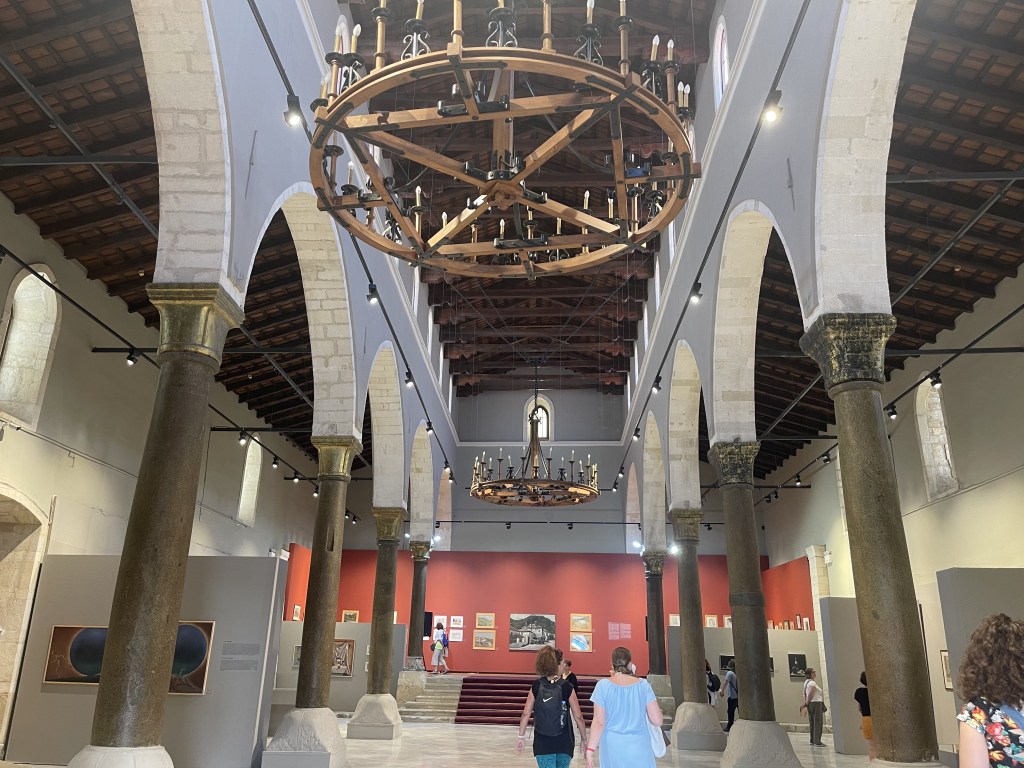
A large interior houses the painting of Greek artist Vasilis Gratsias as visitors explore. The exhibit was free for everyone.
Could you tell one single street would hide so much history? During periods of Turkish and Venetian dominations, Heraklion underwent transformations that shaped its unique identity.
Whether strolling through August 25 Street or exploring the Koules Fortress, Heraklion offers an unforgettable journey through time, where the echoes of the past resonate alongside the bustling energy of contemporary life.
It’s a destination where history comes alive, inviting travelers to immerse themselves in its treasures and create lasting memories.
 Steph Travels