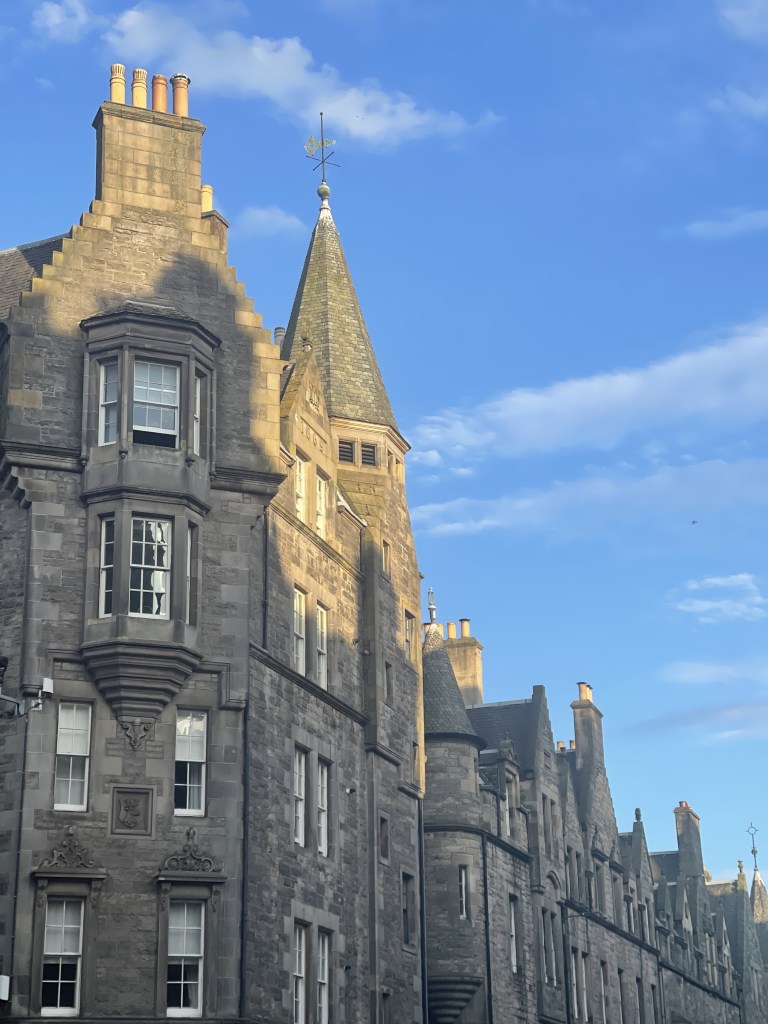
Scotland as a travel destination offers an extraordinary amount of experiences we may only see on television. Visiting the country means casually getting to know adorable highlander cows, bagpipe music culture, and Lake Ness’s mysteries.
But the surroundings where it all takes place is also incredibly distinctive. Forget about western modern architecture. Scotland takes you into an immersion on history that dates back to the Middle Ages.
In Edinburgh, magnificent medieval buildings and cobblestone alleys gather centuries of intriguing stories. Scotland’s capital is divided into Old Town, where all historical buildings are located and the more modern New Town.
For those who have never been to such an old, historic destination before, getting to the city for the first time may feel like entering the studios of Harry Potter. The medieval architecture is just surreal.
When exploring and learning about each site, Edinburgh becomes even more interesting. The city is filled with history including wars for territories, royal family scandals and ghost mysteries.
Especially at Old Town, we can find overflowing historic landmarks, including the iconic Edinburgh Castle, the Royal Mile, the atmospheric closes, as well as numerous museums, galleries, and traditional Scottish pubs.
Edinburgh Castle
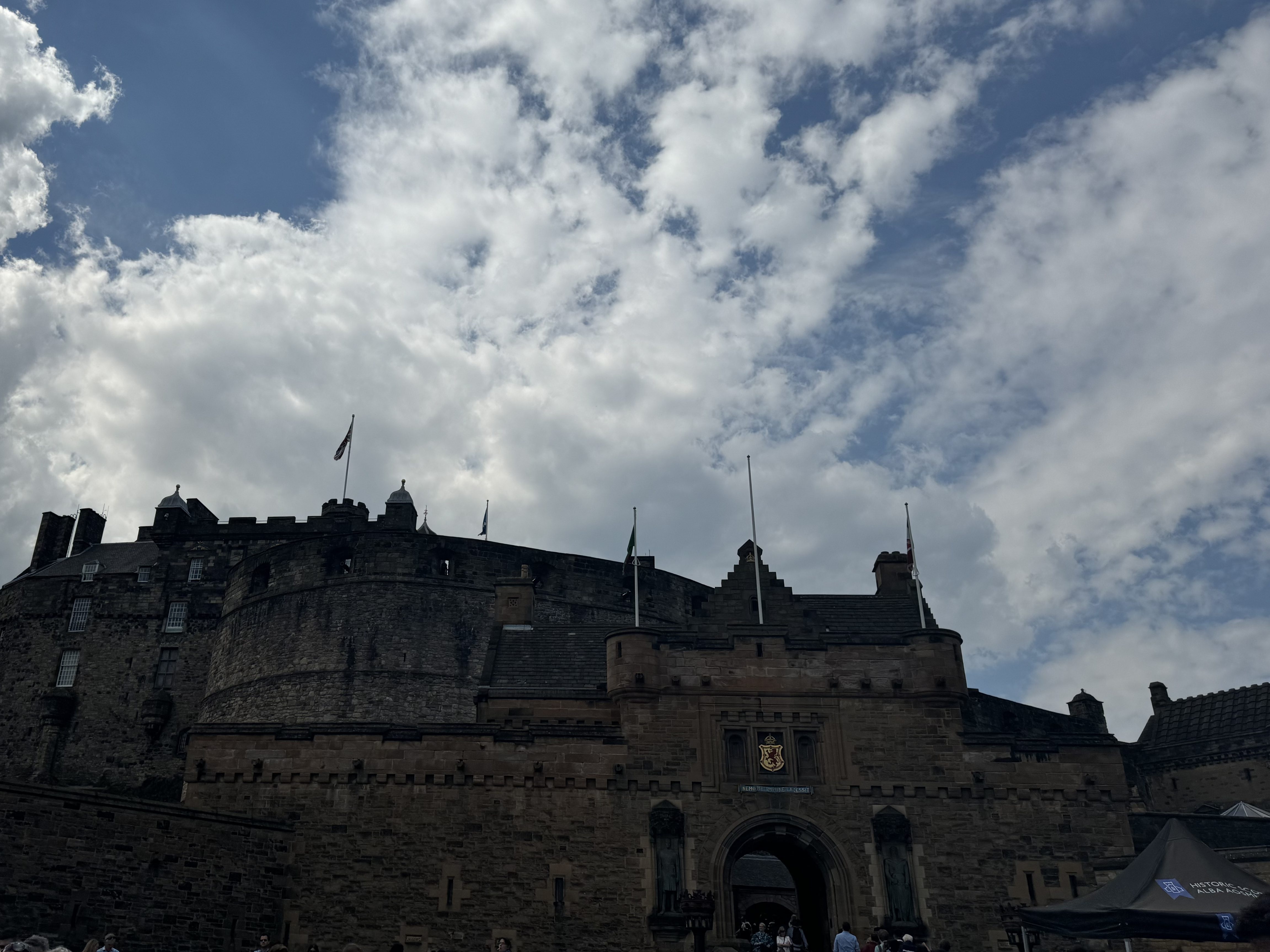
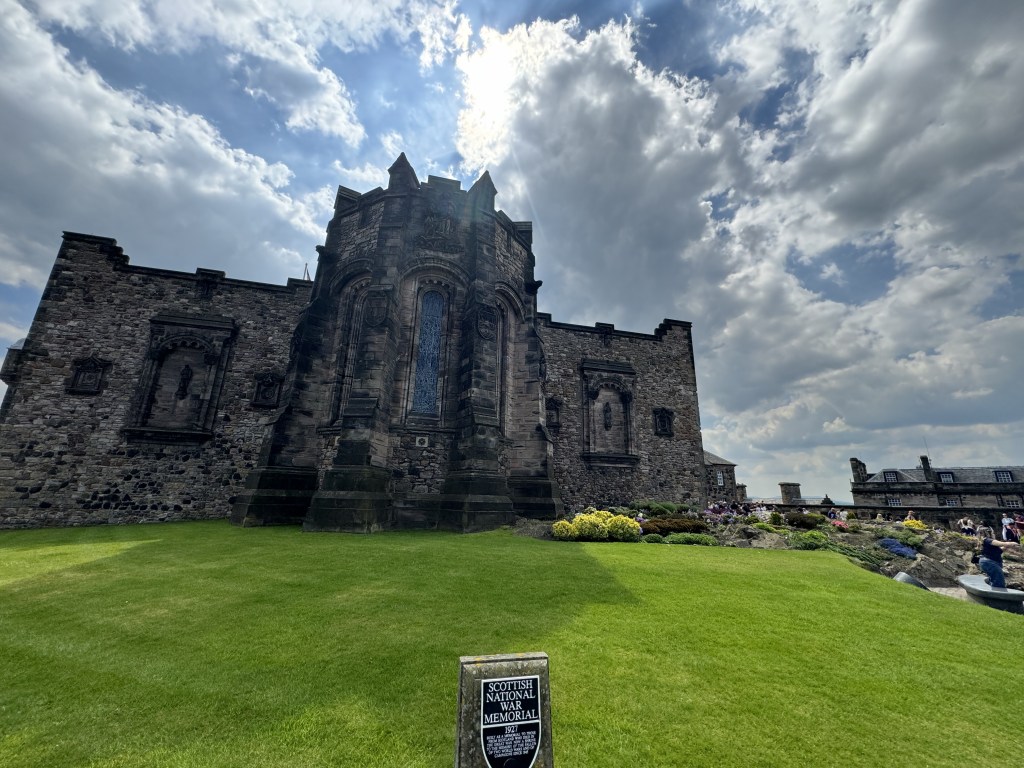

The city’s best-known building is certainly Edinburgh Castle. An imposing building built on top of an igneous rock that is seen throughout almost the entire city.
Built in 1103, this historic monument is the most popular tourist attraction in Scotland and one of the oldest fortifications in the UK and Europe.
Strategically erected on a volcanic hill, the castle dominates the city’s skyline and has witnessed significant events in Scottish history. Some areas still function as military barracks, while others have been transformed into a museum, open to visitors.
Royal Mile
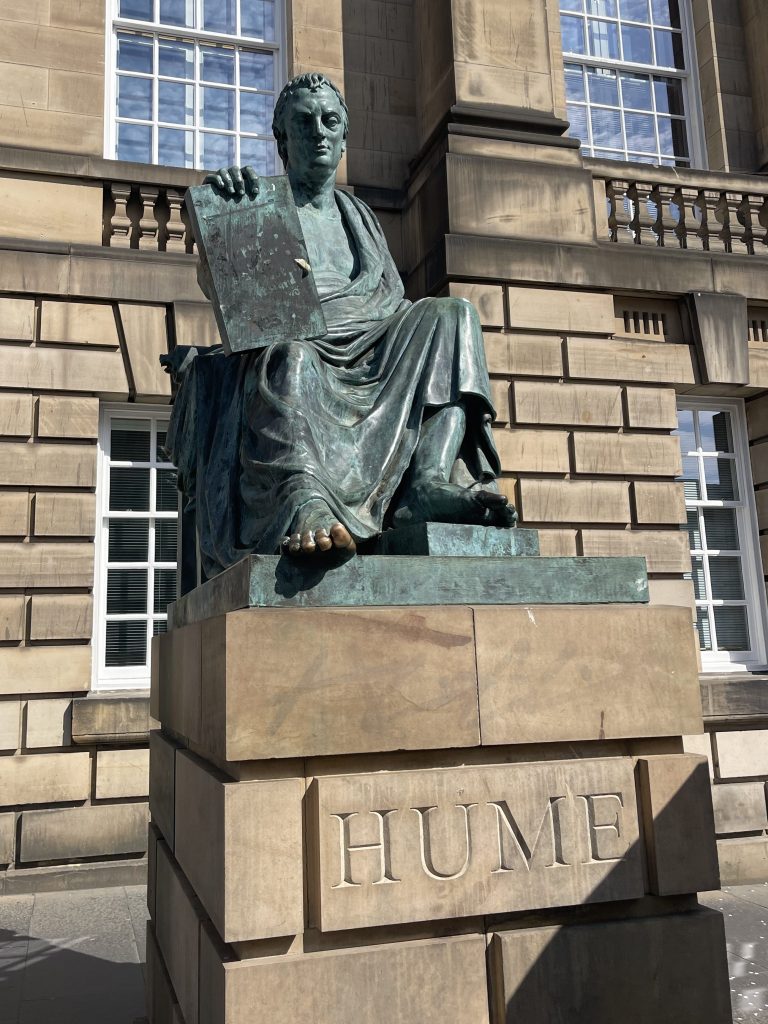



As the name suggests, this is the one-mile long Royal Street that goes from Edinburgh Castle to the Palace of Holyroodhouse. At the heart of Edinburgh, this street is full of historic buildings and connected to the rest of the city by small alleys known as closes, as well as houses some of the best restaurants, pubs and shops in the city.
Lower down the street, we can find a popular pub called “The World’s End.” Such a name is not by accident. In the 16th century, gates protecting the Old Town were located just outside the pub.
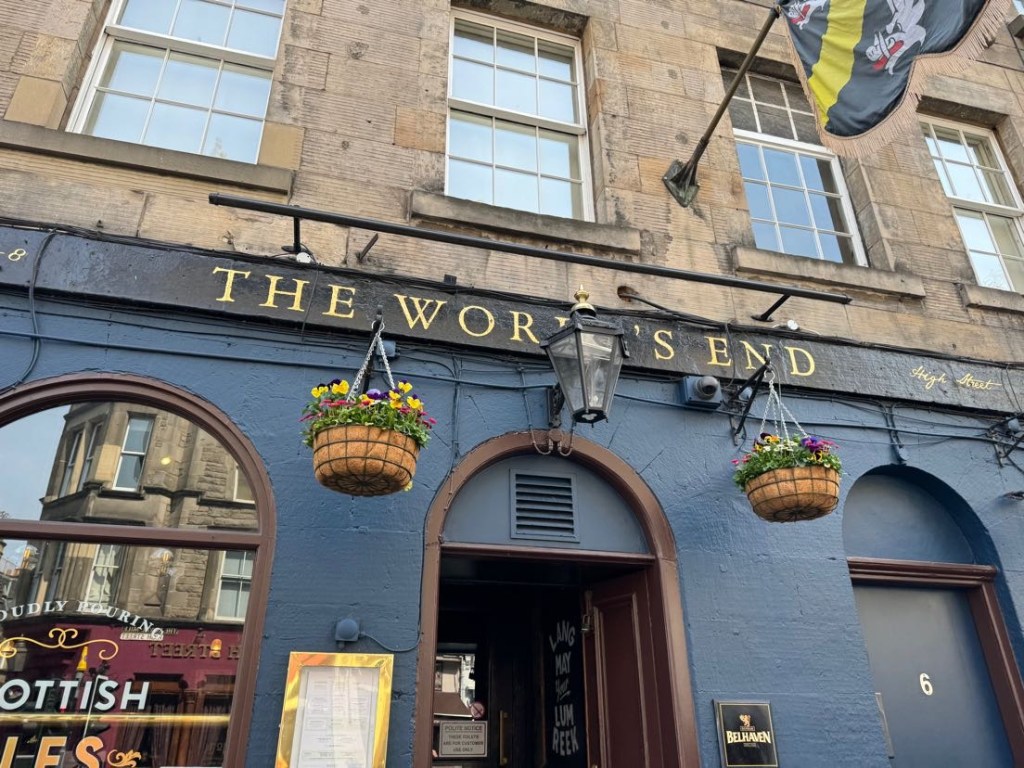
According to tour guide Ben, very few people managed to get in and out of the gates at that time. For that reason, Edinburgh was really the world for residents, and the gate represented its end.
“Normally people would go off the city limits, run out of money and never make it back,” Ben said.
Today, the location attracts many tourists and local residents who enjoy having traditional food and drinks in the medieval pub.
St. Giles Cathedral
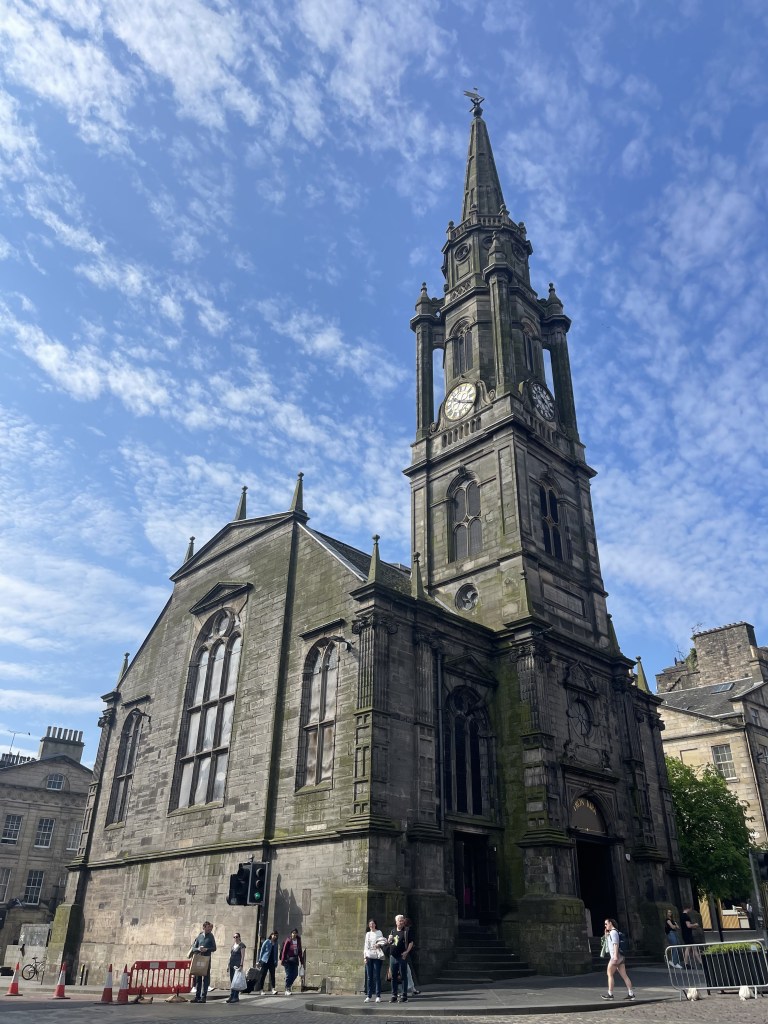
Also known as the High Kirk of Edinburgh, this church was founded in 1124 by King David I of Scotland as a Catholic cathedral. Throughout its history, the building has been the target of bombing and looting, especially during the Scottish Wars of Independence.
In 1560, when the Scottish Parliament abolished papal authority and proclaimed Scotland a Protestant nation, the cathedral’s stained glass windows, statues, and other Catholic decorations were destroyed and replaced. Despite now being a Presbyterian church, the term “cathedral” is retained in recognition of its long Catholic history and the heritage it represents.
Victoria Street
When touring around Edinburgh, all the architecture and shortcuts through small alleys are for sure an interesting landscape. It is easy to get used to the gray colors and rock buildings. However, suddenly, a surprise.
A street down a hill brings life to the city with its triangular flags hanging and colorful buildings on the first level.
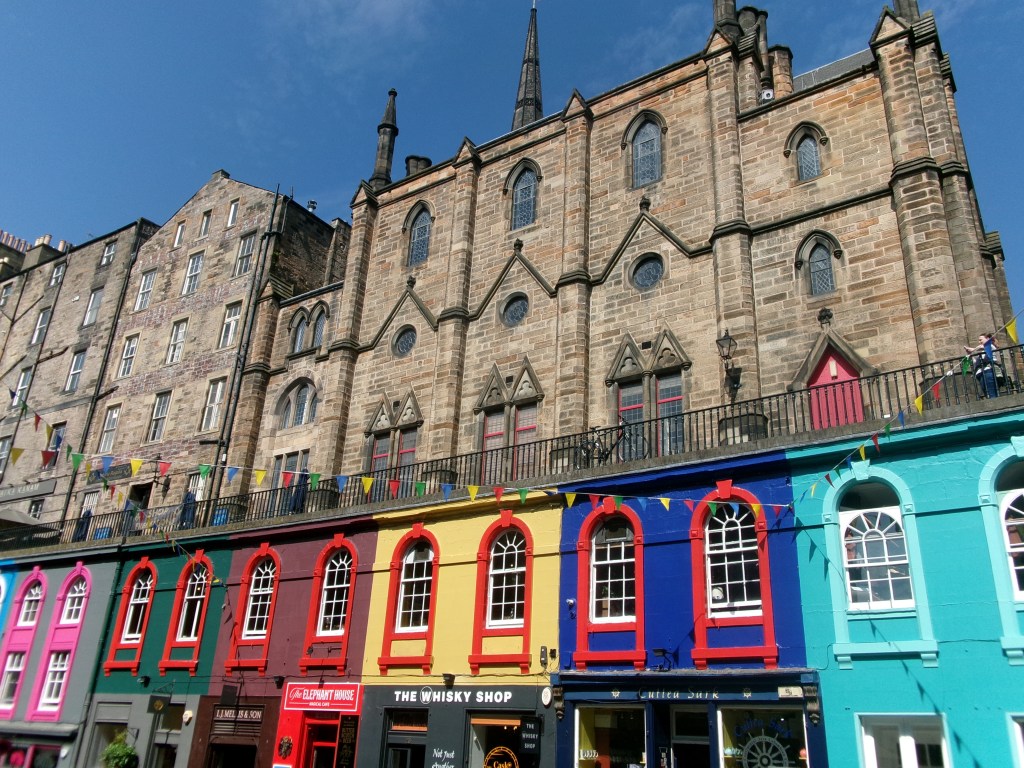
This charming street, with its ancient stone facades from bygone eras, allegedly served as inspiration for JK Rowling to create Diagon Alley in her Harry Potter books. Among fashion boutiques, art galleries and cafes, you can find some stores dedicated to the young wizard and his magical universe.
Scott Monument
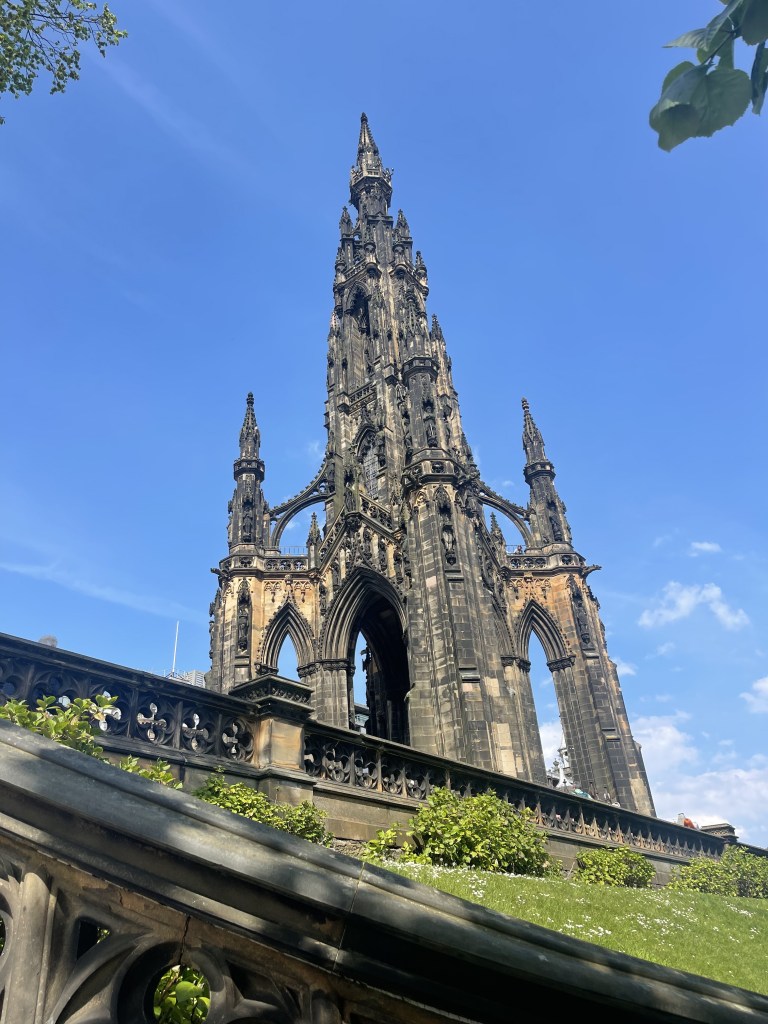
In the heart of Princes Street, the gothic Scott Monument is one of Edinburgh’s most photographed, important and iconic sites, and one of the largest in the world dedicated to a writer. Its construction began in 1840 and it opened six years later.
Dedicated to the most famous writer in Scotland, Walter Scott, the monument was constructed by sandstone and designed by John Steel. Between the four columns of the tower, we can see Scott’s statue seating as he takes a break from writing.
It has a viewpoint with a unique view, located between the Old Town and the New Town, with the Princess Street Gardens at its feet.
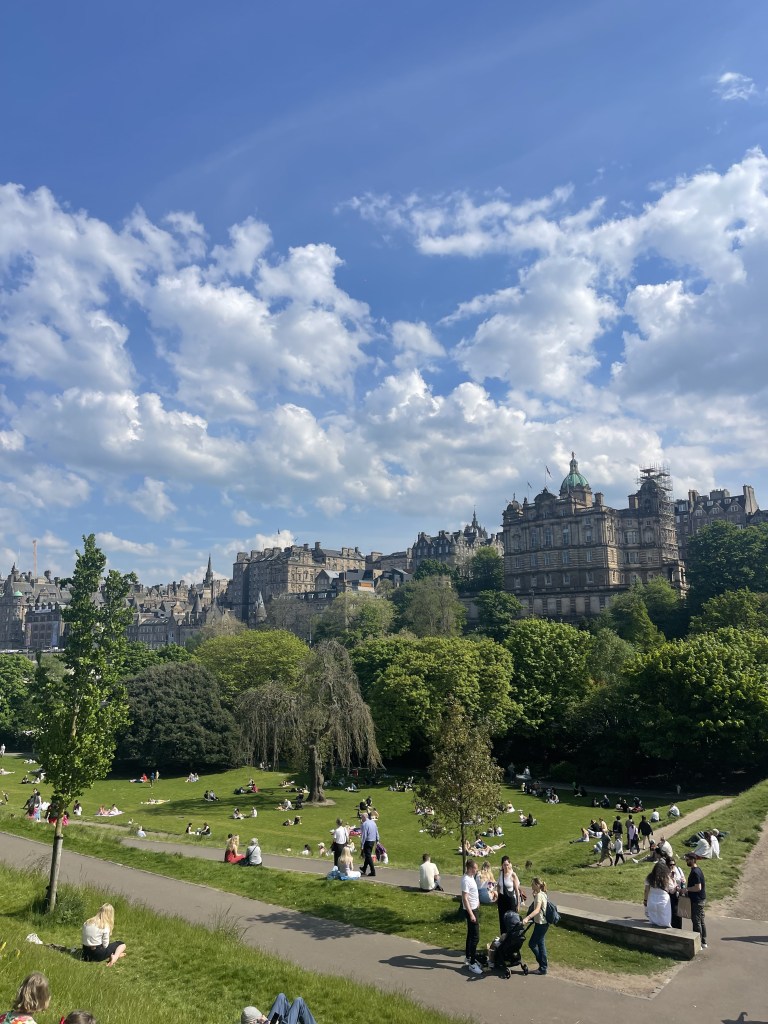
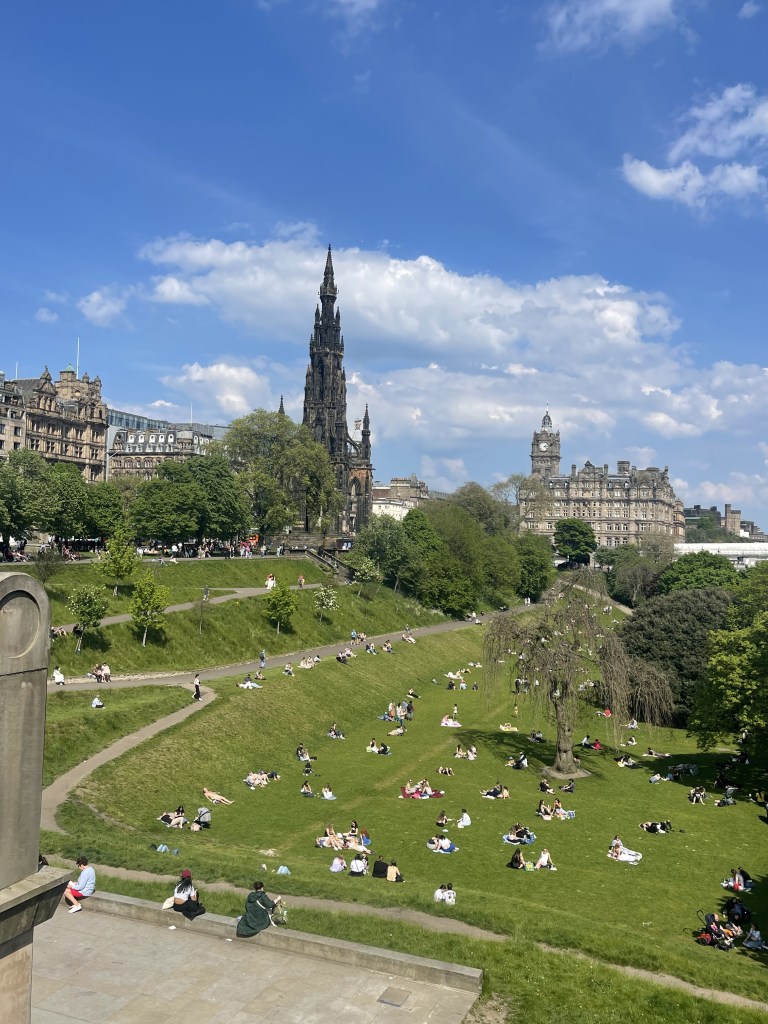
This area that now houses this park in the center of Edinburgh was for centuries the city’s most important lake, North Loch. Located at the foot of the castle, the park was built in 1820 with the aim of draining the lake, which was used as a waste deposit and therefore caused many unsanitary problems and ongoing illnesses.
Today, it is Edinburgh’s most important urban park, where different types of trees and flowers grow all year round. It is the perfect place to sit down and enjoy the beauty of a medieval castle in the back as well as an amazing and relaxing green area.
Greyfriars Cemetery
In Edinburgh, cemeteries are considered parks, people go for a stroll, walk their dogs or enjoy a picnic during a sunny afternoon. This particular one is popular for its mystery stories, iconic characters that rest there, as well as its convenient location in the old city center. One of the most popular graves belongs to a little dog that lived in the city in the 19th century called Bobby.
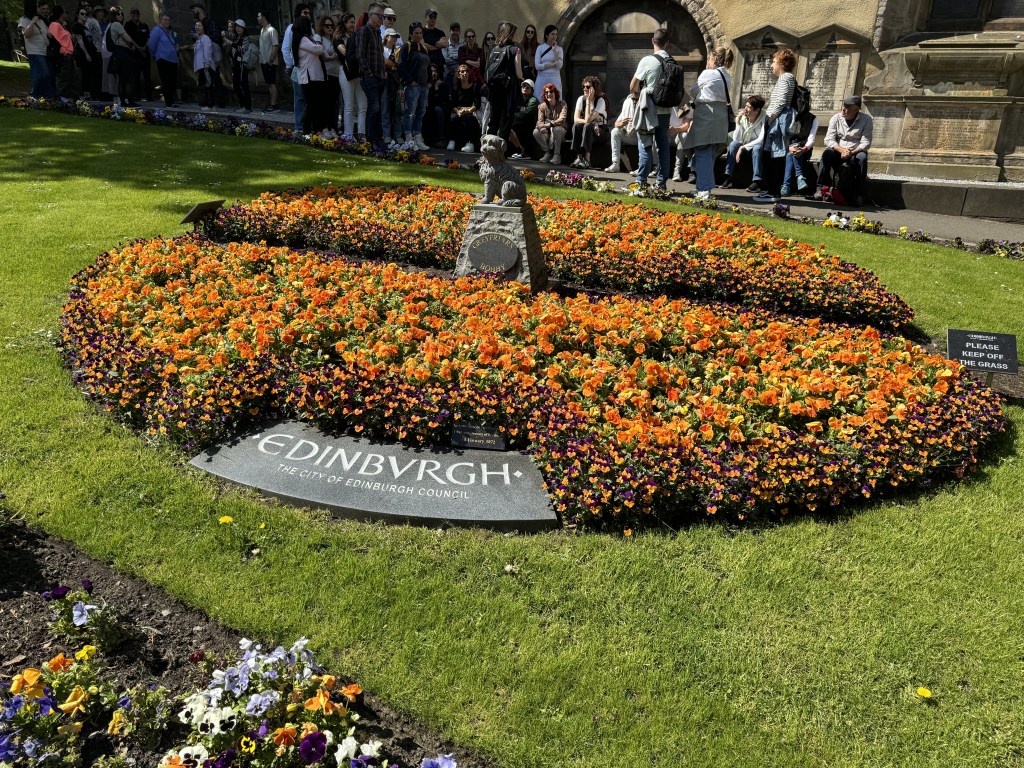
Bobby was the dog of a police officer who died of tuberculosis in 1858. Even after his master’s death, Bobby refused to leave his grave in the Greyfriars cemetery. For the following 14 years, residents of the city fed and looked after Bobby until he passed away in 1872 and could finally rest next to his master.
The dog became a symbol of the city, bringing people from all over the world to learn about his story. Colorful flowers and a charming sculpture of Bobby make it hard for visitors to miss his grave.
According to tour guide Charles, there is a chance that after so many years Bobby’s story has been altered or made up.
“In a city like Edinburgh, where so much blood has been poured, it is good to have a story of loyalty and friendship like Bobby’s,” he said.
Touring around the streets of the Old Town feels like walking down the aisles of an open-air museum. Edinburgh is an invite to learn about history and let the creativity flow, dreaming about battles, castles and tales. From ancient time pubs to picnics facing a medieval castle, the city offers an array of unforgettable experiences.
 Steph Travels